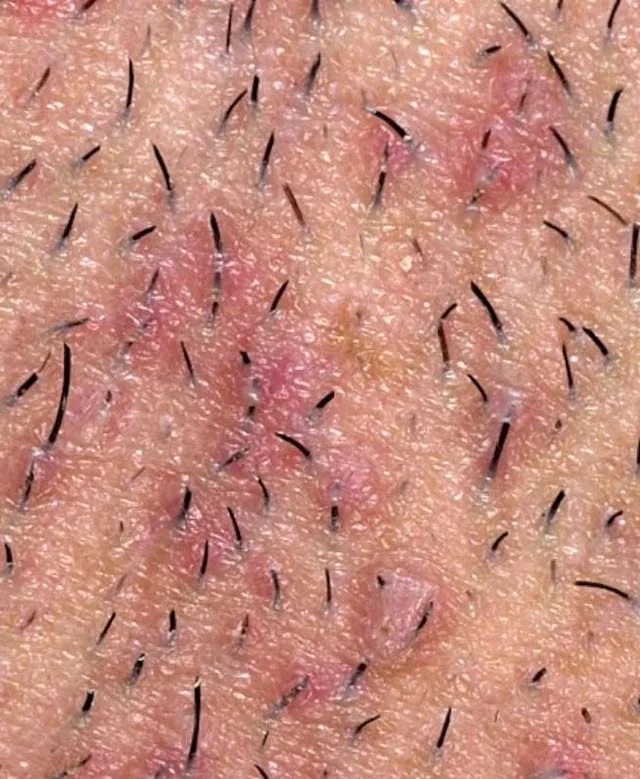
How to treat ingrown hairs on pubic area is a common concern for many women, especially those with coarse or curly hair and sensitive skin. Ingrown hairs tend to appear on the vaginal area and underarms due to hair around those areas being coarse and thick
It occurs when there is skin inflammation or hair inflammation due to an in-growing hair underneath the skin surface
Ingrown hairs tend to be more common in skin of color due to our curly hair pattern.
Factors that trigger ingrown hairs
1. Hair Texture
Hair texture plays a huge role in whether you’re prone to ingrown hairs especially in the pubic area.
Curly, coily, or tightly textured hair is more likely to grow back into the skin after hair removal. Instead of growing straight out, the hair naturally curves and when it starts growing back, it can easily re-enter the skin or get trapped just beneath the surface. This leads to inflammation, redness, bumps and sometimes painful pus-filled ingrown hairs.
The pubic area is especially vulnerable because:
- The hair there is thicker and coarser than hair on most other parts of the body
- The skin is softer and more delicate
- Friction from underwear can push new hair growth back into the skin
People with straight or fine hair can still get ingrown hairs but it’s far more common with textured hair because of the way it curls back toward the skin.
2. Genetics
If ingrown hairs seem unavoidable no matter what you do, genetics may be the reason.
Your genes determine:
- Hair thickness
- Hair curl pattern
- Skin sensitivity
- How your skin responds to inflammation
If your parents or close relatives struggle with ingrown hairs, razor bumps or post-shaving irritation, there’s a higher chance you’ll experience the same issues. Some people genetically produce hair that grows at sharper angles beneath the skin, making it easier for hairs to become trapped after shaving or waxing.
Genetics can also affect how your skin heals. For example, some people are more prone to hyperpigmentation or scarring after ingrown hairs which makes prevention even more important.
While you can’t change your genes understanding this factor helps you choose gentler hair removal methods and better aftercare routines.
3. Hair Removal Techniques
How you remove pubic hair is one of the biggest triggers of ingrown hairs.
Shaving
Shaving cuts hair at or below the skin’s surface. When hair starts growing back, the sharp tip can easily curl inward instead of outward especially with curly or coarse hair. Shaving against the direction of hair growth increases the risk even more by cutting hair too short.
Using dull razors, dry shaving or shaving too frequently can also irritate the skin and clog hair follicles, making ingrown hairs more likely.
Waxing
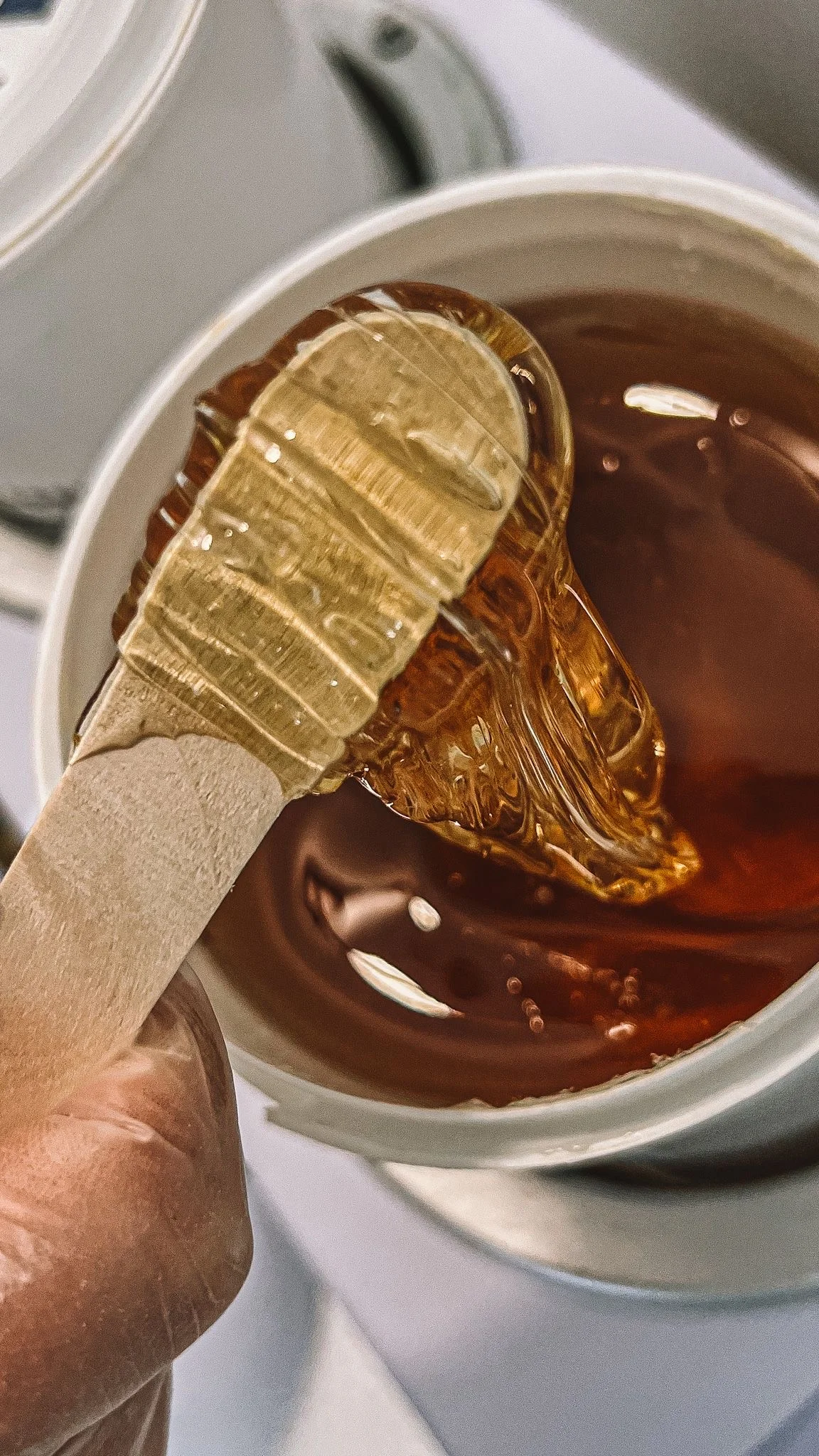
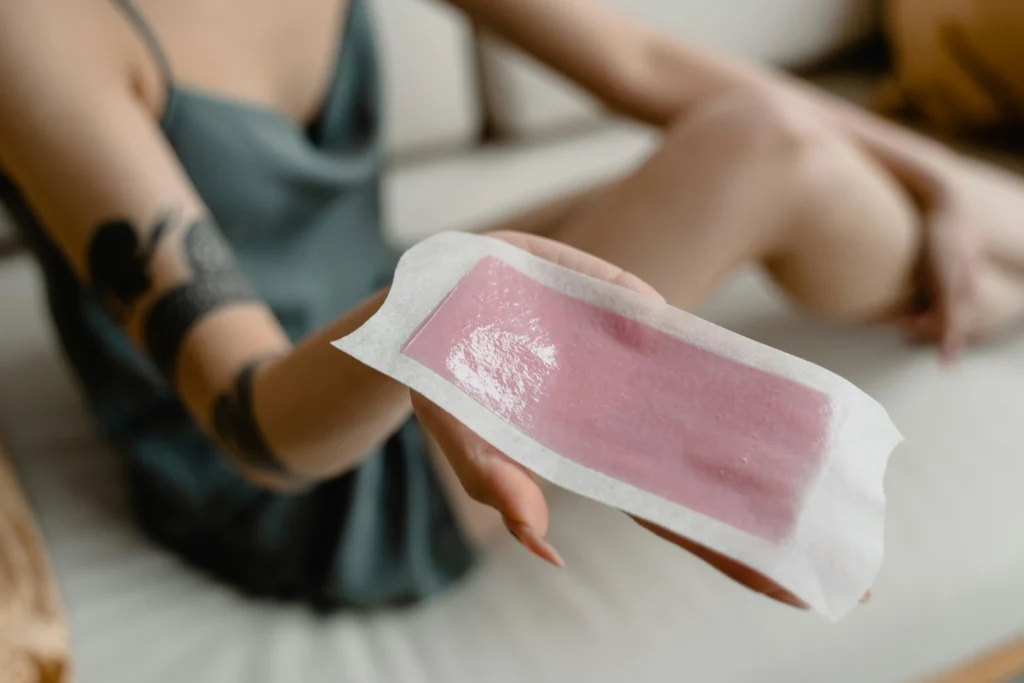
Waxing removes hair from the root, which can delay regrowth but it’s not ingrown-hair-proof. When hair grows back, it may struggle to break through the skin particularly if dead skin cells block the follicle opening. This can cause hair to grow sideways or curl under the skin.
Waxing can also cause temporary inflammation which may swell the skin and trap newly growing hairs.
Sugaring
Sugaring is often considered gentler than waxing because it removes hair in the direction of growth. However, ingrown hairs can still occur, especially if proper exfoliation and aftercare aren’t followed. Hair can still grow back unevenly or become trapped under the skin if follicles are clogged.
No matter the method, poor technique, lack of exfoliation, and skipping aftercare significantly increase the risk of ingrown hairs.
How To Treat Ingrown Hairs On Pubic Area
1. Laser Hair Removal
Laser hair removal for ingrown hairs can be one of the most effective long-term solutions because it reduces hair growth at the root. Less hair growth means fewer chances for hair to curl back into the skin.
However, not all lasers are safe for dark skin. Some older laser technologies target melanin in the skin rather than just the hair follicle. On darker skin tones, this can increase the risk of:
- Burns
- Blisters
- Hyperpigmentation
- Permanent skin damage
Safer options for dark skin include Nd:YAG lasers, which penetrate deeper and focus more on the hair follicle instead of surface pigment. This is why it’s crucial to go to a trained professional experienced in treating darker skin tones especially for sensitive areas like the pubic region.
2. Depilatory Creams
Depilatory creams dissolve hair at the surface instead of cutting it which can reduce the sharp regrowth that causes ingrown hairs.
That said, these creams can be harsh on sensitive and darker skin particularly in the pubic area. Many contain strong chemicals that may cause:
- Skin irritation
- Burning sensations
- Post-inflammatory hyperpigmentation
- Allergic reactions
Dark-skinned women are more prone to pigmentation changes after irritation, so depilatory creams should always be patch-tested and used sparingly if at all. They’re not ideal for frequent use on the pubic area.
3. Shaving After a Warm Bath or Shower
Shaving right after a bath or shower is one of the simplest yet most effective habits for preventing ingrown hairs.
Warm water softens both the hair and the skin, allowing the razor to glide more smoothly. Softer hair is less likely to curl back into the skin once it starts growing again. This reduces razor bumps, irritation and micro-cuts that can trap hair under the skin.
Always use a clean, sharp razor and shave gently.
4. Waxing Before a Shower
Waxing before a shower helps because showering afterward:
- Cleanses away sweat and residue
- Helps soothe inflammation
- Allows pores to calm down naturally
Showering immediately after waxing can also reduce the buildup of dead skin cells that trap regrowing hair which lowers the chances of ingrown hairs forming days later.
5. Using a Glycolic Acid Moisturizer After Shaving or Waxing
Glycolic acid is an alpha hydroxy acid (AHA) that gently exfoliates the skin.
Using a glycolic acid–based moisturizer after hair removal helps:
- Remove dead skin cells
- Keep hair follicles clear
- Encourage hair to grow outward instead of inward
It also helps improve skin texture and can reduce dark marks left behind by previous ingrown hairs. The key is moderation overuse can irritate sensitive skin especially in the pubic area. Also use a glycolic acid moisturizer about 3 days after shaving or waxing.
6. Chemical Peels (Salicylic Acid & AHAs)
When ingrown hairs are severe or recurring, professional chemical peels can make a big difference.
- Salicylic acid (BHA) penetrates oil and unclogs pores, making it especially helpful for inflamed or infected ingrown hairs.
- Alpha hydroxy acids (like glycolic or lactic acid) exfoliate the surface, helping trapped hairs break through the skin.
These treatments should always be done by a trained professional especially on darker skin to minimize the risk of burns or hyperpigmentation.
7. Steroid Creams (Hydrocortisone Cream)
Low-strength hydrocortisone cream can help reduce redness, swelling, and itching caused by inflamed ingrown hairs.
It works by calming inflammation, which allows the hair to surface more easily. However, steroid creams should only be used short-term and sparingly. Overuse can thin the skin and worsen pigmentation issues, especially in delicate areas.
8. Avoid Products With Perfume
Fragrance may smell nice, but it’s one of the biggest irritants for sensitive pubic skin.
Perfumed soaps, lotions and aftercare products can cause irritation and inflammation, increasing the risk of ingrown hairs and dark spots. Choosing fragrance-free products helps keep the skin barrier healthy and calm.
9. Products With Benzoyl Peroxide and Tretinoin
For stubborn or infected ingrown hairs, certain active ingredients can help.
- Benzoyl peroxide helps reduce bacteria and inflammation, making it useful for pus-filled or painful ingrown hairs.
- Tretinoin increases skin cell turnover, helping trapped hairs rise to the surface faster while also improving dark marks over time.
Because tretinoin is strong and can cause irritation, it should be used carefully and ideally under professional guidance especially for darker skin tones.
Conclusion
Ingrown hairs in the pubic area are frustrating and unsightly. Every girl wants a smooth underarm and vaginal area that is also free from pigmentation, smooth and to smell good down there. Use the right hair removal methods and gentle aftercare which can treat and prevent them effectively. Pay attention to your skin’s needs and choose after care products wisely that will keep the area smooth.
Share with us your preferred hair removal technique and if you have struggled with ingrown hairs before in the comment section below and kindly share our blog among your community.

Leave a Reply