Practical winter hygiene tips for dry skin, chapped lips, intimate comfort, sweat under sweaters and everything in between.
Let’s be honest, girl: winter is cozy in theory and kind of rough in real life. Your skin feels tight the second you step out of the shower. Your lips are cracking. Your hands look like they’ve aged ten years. You’re sweating under three layers on the train, then freezing the second you step outside. And nobody really talks about the other stuff, like feeling dry or uncomfortable down there or wondering if your boots smell as bad as you think they do.
If any of this sounds familiar, you are not alone and you’re definitely not “gross.” Cold air outside plus dry heating inside plus heavy clothing is a tough combo for your body. The good news? A few small, simple habits make a huge difference.
Think of this as me sitting next to you with a cup of hot chocolate, sharing everything I’d want a friend to tell me. Let’s get into it.
1. Rethink Your Shower
A piping hot shower feels amazing on a freezing day, but hot water strips the natural oils your skin needs to hold onto moisture. That’s a big reason winter skin gets so tight, flaky and itchy.
Try this instead:
- Use lukewarm water, warm enough to be cozy, not steaming.
- Keep showers to about 5 to 10 minutes.
- Choose a gentle, fragrance-free cleanser or body wash instead of harsh, foamy, heavily scented ones.
- Focus soap on the areas that really need it (underarms, feet, groin area, and anywhere you sweat)
- Pat dry with a towel. Don’t rub.
Mistake to avoid: scrubbing your body with rough exfoliating tools every day. In winter, your skin barrier is already stressed. Exfoliate gently, once or twice a week at most.
2. Moisturize Within Minutes of Getting Out
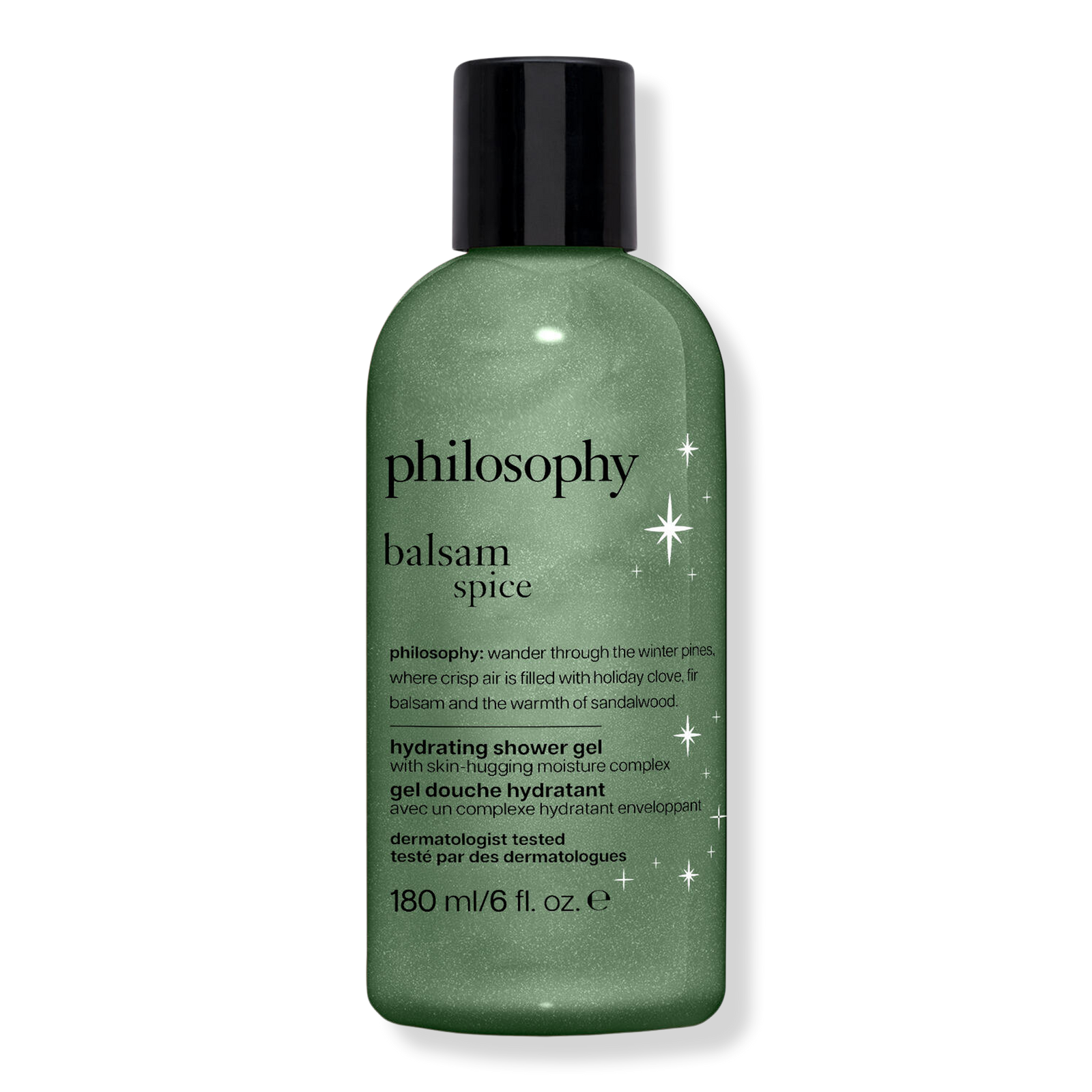
This is the single most useful winter skin habit. Apply moisturizer while your skin is still slightly damp, ideally within a few minutes of stepping out of the shower to help lock in water.
What to look for:
- Ceramides to support your skin barrier
- Glycerin and hyaluronic acid to attract moisture
- Shea butter, petrolatum or dimethicone to seal it all in
Creams and ointments usually work better than thin lotions in winter because they’re thicker and hold moisture longer. Keep it simple and fragrance-free if your skin is sensitive or itchy.
Quick tip: Keep a tub of body cream right next to your towel so you never skip this step.
Don’t forget: sunscreen on your face and any exposed skin, even when it’s gray outside. UV rays are still there and snow can reflect them.
3. Rescue Chapped Lips
Chapped lips are one of the most annoying parts of winter and the cycle can get stuck: lips feel dry, you lick them, they get even drier.
What helps:
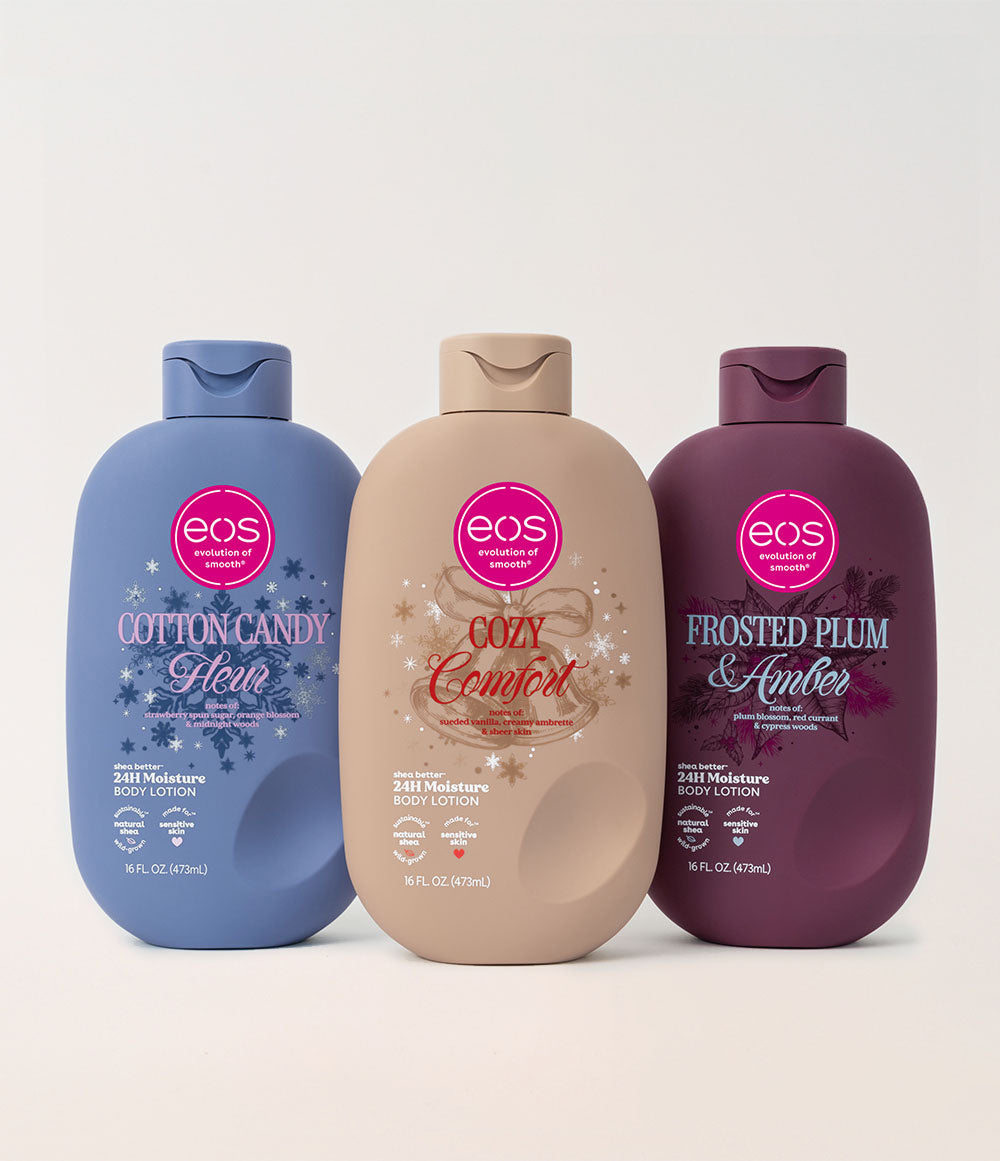
- Use a thick, simple balm with petrolatum, beeswax or shea butter. Apply it often, especially before bed and before heading out into the wind.
- Choose a balm with SPF for daytime.
- Keep one in every coat pocket and bag so you actually use it.
What to avoid:
- Licking your lips. Saliva evaporates quickly and leaves them drier.
- Peeling the flakes. Be patient and let them soften with balm instead.
- Balms that tingle, cool, or burn (like strong menthol, camphor or heavy fragrance) because they can irritate already-cracked lips.
If your lips stay cracked, sore or split at the corners for weeks, it’s worth checking in with a doctor.
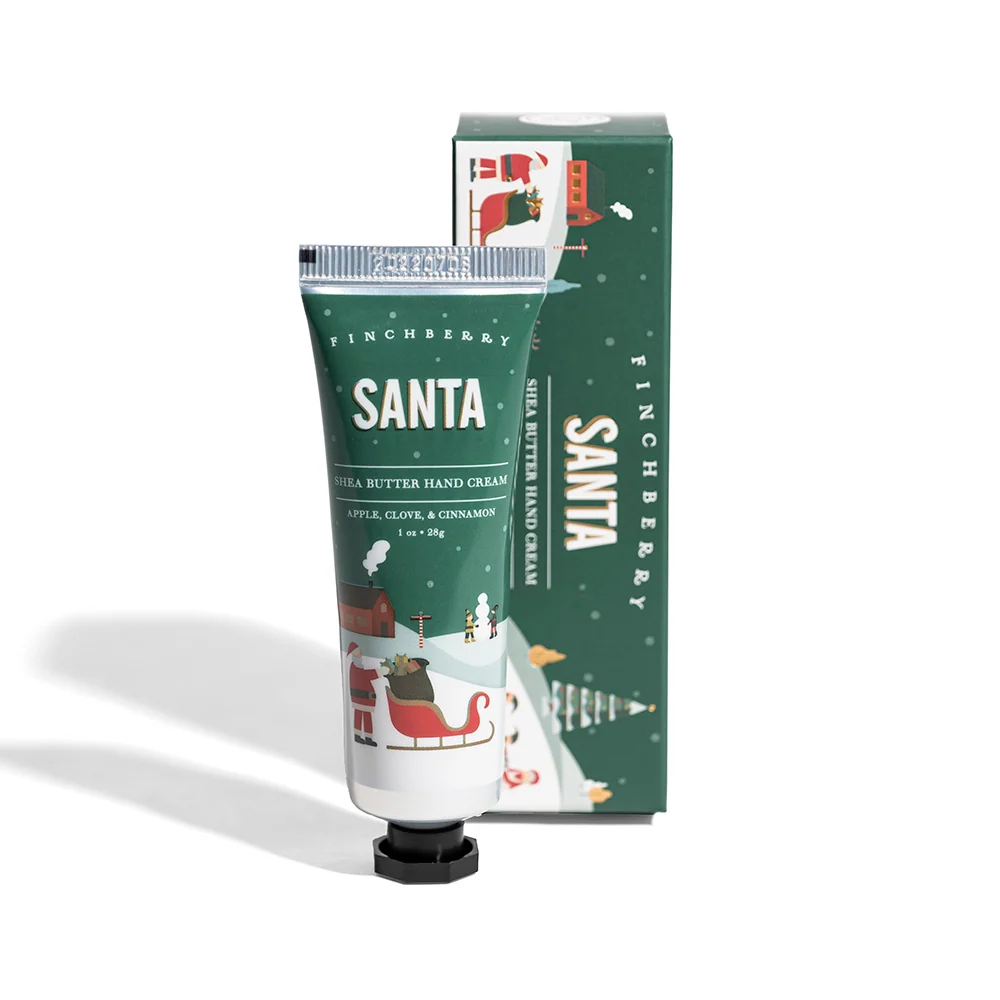
4. Give Your Hands Some Serious Love
Between cold air, frequent hand washing and hand sanitizer, winter hands take a beating. Dry, cracked hands aren’t just uncomfortable, they can also split and get sore.
Your hand-saving routine:
- Wash with lukewarm water and a gentle soap. Still wash well, just don’t use scalding water.
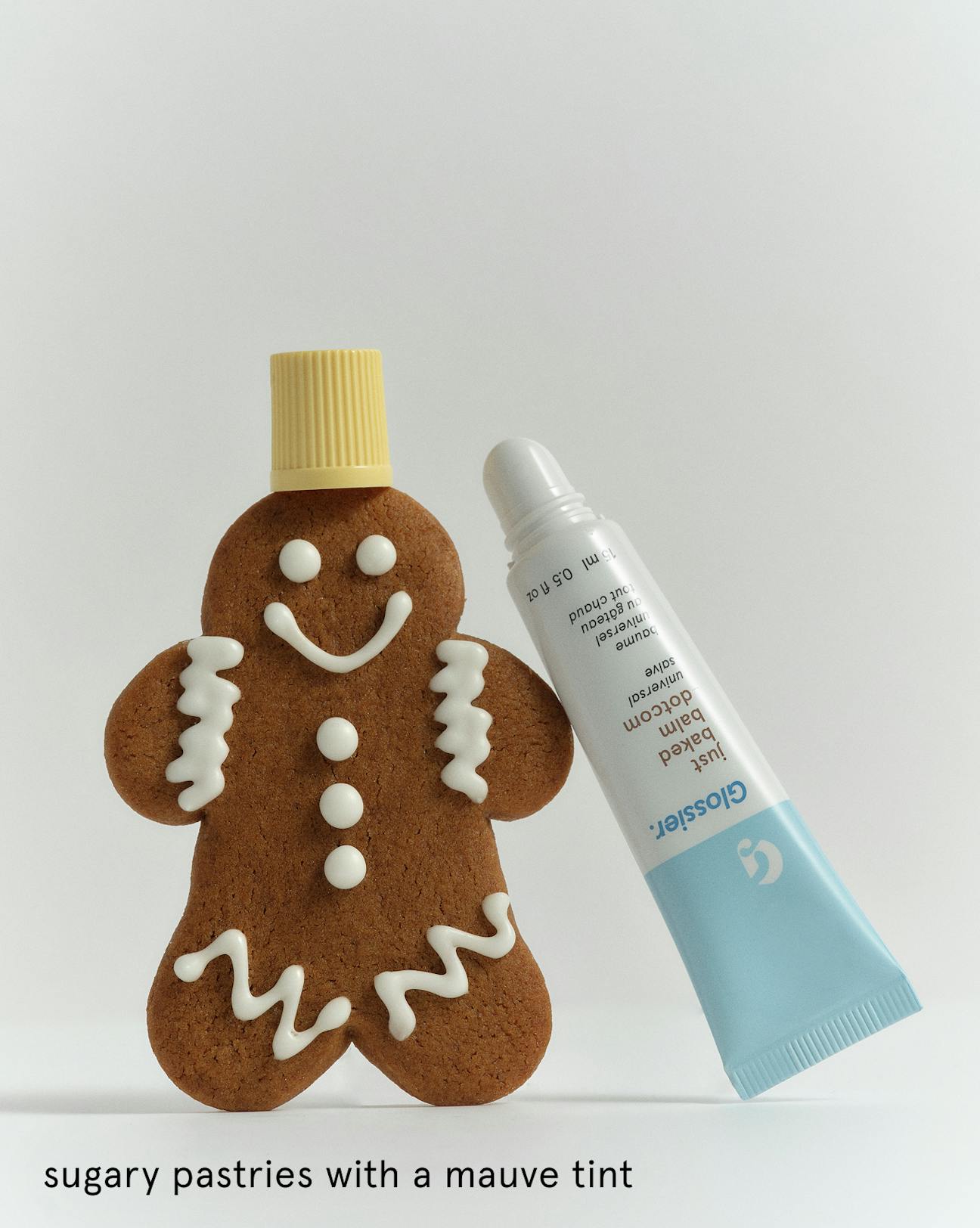
- Apply hand cream every time you wash, and again before bed.
- Pick a thick cream or ointment for night. Look for ingredients like glycerin, ceramides, shea butter or petrolatum.
- Wear gloves outside, and rubber gloves when washing dishes or cleaning.
- For a super-dry weekend treatment, slather on a thick layer of cream, then pop on cotton gloves overnight.
Mistake to avoid: relying only on hand sanitizer when soap and water are available. Sanitizer is drying, so follow it with moisturizer.

5. Intimate Comfort in Winter
This one doesn’t get talked about enough, so let’s keep it real and judgment-free.
In winter, many women notice more dryness, itching or irritation in their intimate area. Dry indoor heat, tight tights or leggings, sitting in sweaty or damp clothes and heavily scented products can all make things feel worse. And if you’re in perimenopause, menopause, breastfeeding, or on certain medications or birth control, hormonal changes can cause dryness all year round.
Gentle, safe habits:
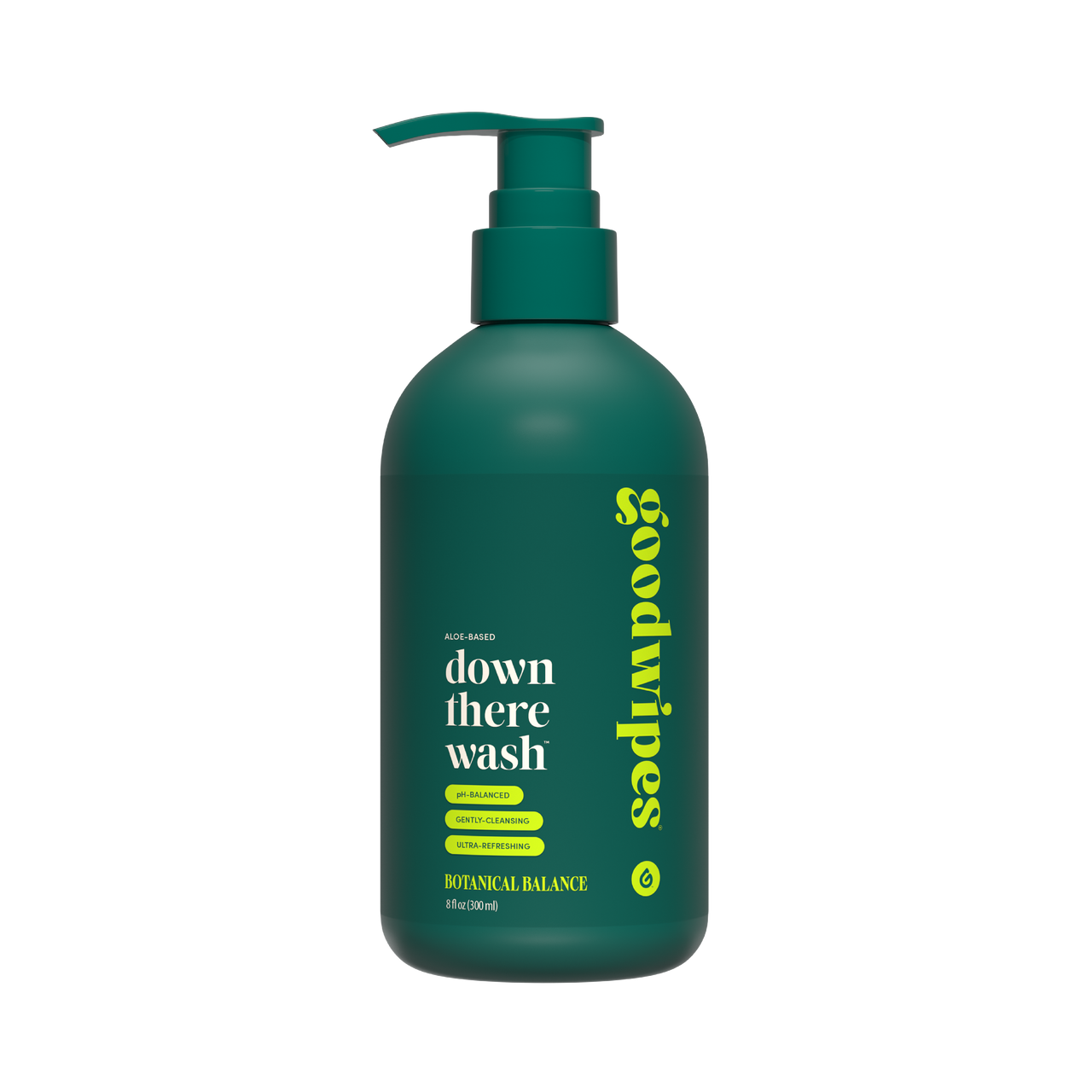
- Wash only the outside (the vulva) with plain warm water or a mild, unscented cleanser. The vagina cleans itself so there’s no need to wash inside.
- Never douche. It can upset your natural balance and raise the risk of irritation and infections.
- Skip scented products like perfumed washes, sprays, wipes, bubble baths and scented pads or liners. Fragrance is a common irritant.
- Choose breathable underwear, like cotton or a cotton-lined gusset, especially under tights, leggings and thermal layers.
- Change out of damp or sweaty clothes soon after workouts, snow walks, or rainy commutes.
- Wash new underwear before wearing it, and use a gentle, fragrance-free laundry detergent.
- If dryness bothers you, a vaginal moisturizer used regularly and a water-based lubricant during sex can help.
Please see a doctor if: you have persistent dryness, burning, pain, itching, unusual discharge, a strong or changing odor, or pain during sex. These can have simple, treatable causes (like infections or hormonal changes), and you don’t have to just put up with it.
6. Sweat and Odor Under Winter Layers
Here’s something nobody warns you about: you still sweat in winter. You’re wearing a coat, a sweater, a scarf, and boots, then walking into an overheated office or a crowded holiday party. Sweat gets trapped, and odor can build up even when it’s freezing outside.
How to stay fresh:
- Choose breathable base layers like cotton, merino wool, or moisture-wicking fabrics, especially right against your skin. Heavy synthetic layers can trap sweat and odor.
- Layer smart so you can peel off a layer when you get warm instead of sweating through it.
- Wash base layers after each wear. Sweaters, scarves, and coats can wait longer, but air them out and wash them regularly.
- Apply antiperspirant at night onto clean, dry skin. It tends to work better that way and it keeps working through the next day.
- Shower or at least rinse your underarms and groin area daily and dry them thoroughly.
- Keep a spare shirt or tank top in your bag if you get sweaty easily.
Mistake to avoid: wearing the same sweaty thermal top three days in a row. Bacteria on your skin break down sweat and create odor, and fabric holds onto it.
7. Happy, Healthy Scalp
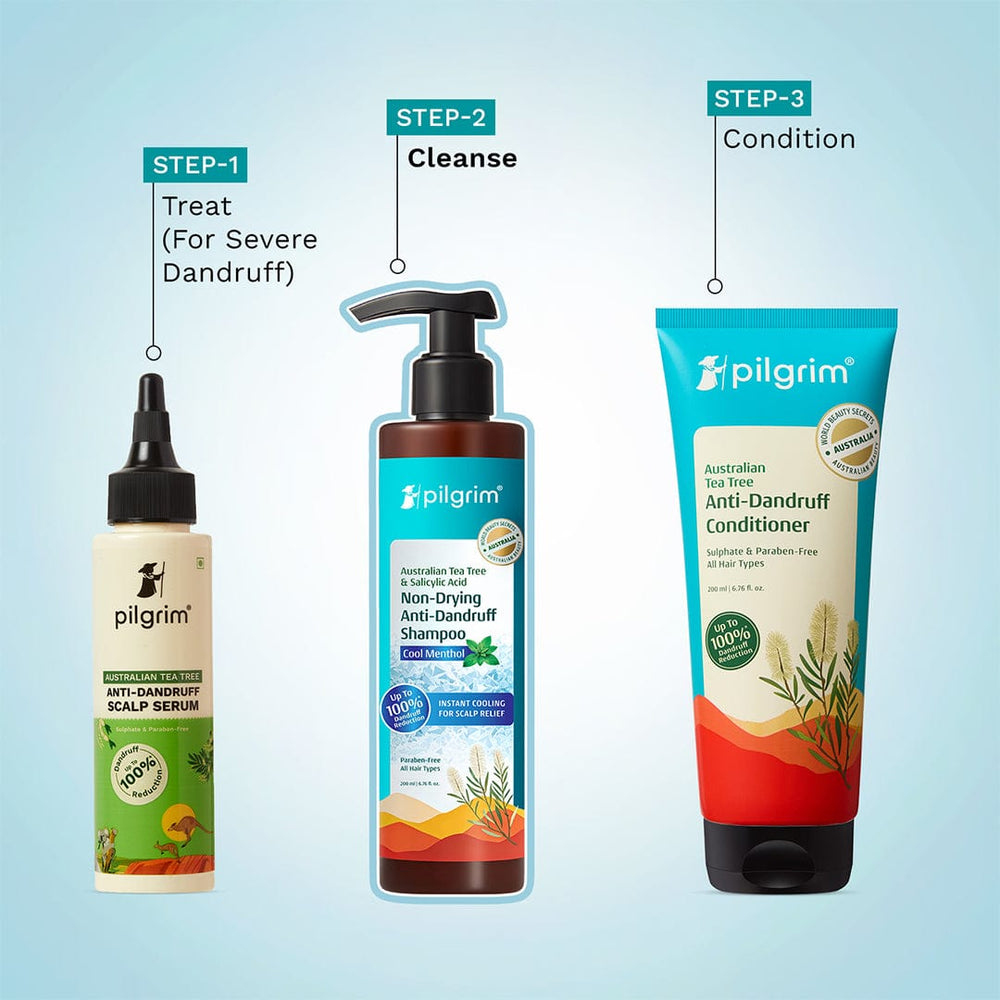
Dry air, hot showers, hats and static can leave your scalp itchy and flaky in winter. The tricky part is that there are two common causes: simple dryness and dandruff (which is more about oil, irritation, and a yeast that naturally lives on the scalp).
What to try:
- Wash your hair with lukewarm water instead of hot.
- If you have dry flakes and tightness, use a gentle shampoo, a good conditioner on the lengths and avoid over-washing.
- If flakes look yellowish or oily, or your scalp is itchy, try an anti-dandruff shampoo with ingredients like zinc pyrithione, ketoconazole, or selenium sulfide, following the label.
- Wash your hats, beanies, and scarves regularly, and don’t wear damp ones for long stretches.
- Don’t scratch with your nails. It can irritate and break the skin.
- Use a leave-in conditioner or a little anti-frizz product to calm static.
If your scalp is very red, painful, or scaly, or flakes don’t improve after a few weeks, a dermatologist can help.
8. Foot Care in Boots and Thick Socks
Feet spend all winter sealed inside warm, enclosed boots, which is basically a cozy home for sweat, odor and fungus. At the same time, heels get dry and cracked from cold weather and dry air.
Foot-friendly habits:
- Choose moisture-wicking socks (merino wool or technical blends are great) and change them if they get damp.
- Rotate your boots so each pair has a day to air out and dry completely.
- Dry between your toes well after showering. Moisture there can lead to athlete’s foot.
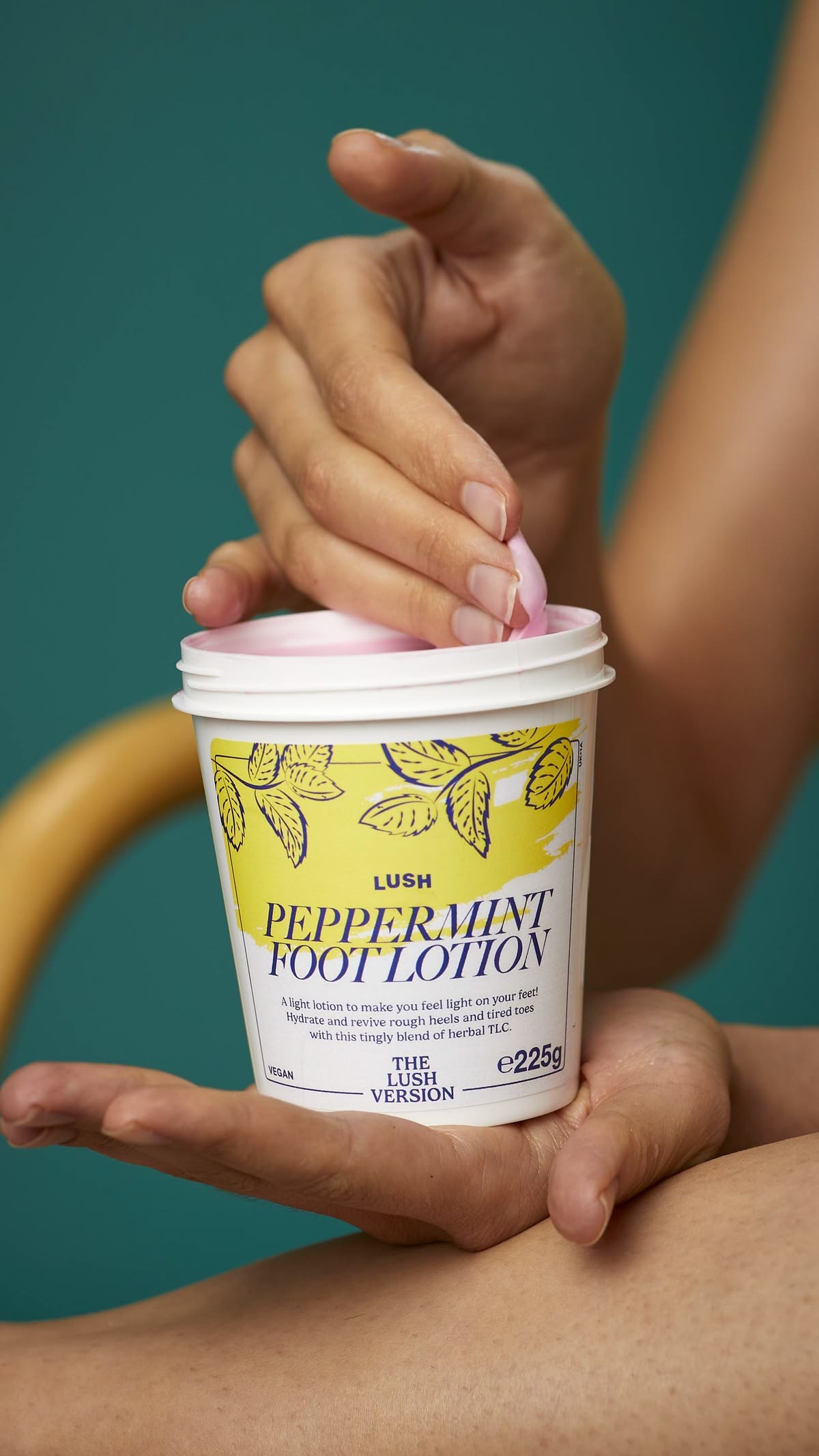
- Moisturize your feet nightly. For rough, cracked heels, a cream with urea can really help soften thick skin.
- Gently smooth calluses with a foot file or pumice stone after a shower, but don’t overdo it.
- Wear clean socks every day and wash them in hot enough water for the fabric.
If you notice persistent itching, peeling, or a rash between your toes, or very thick, discolored nails, it’s worth asking a pharmacist or doctor.
9. Build Your Winter Fresh Kit
This is my favorite practical tip: pack a tiny kit so you’re prepared wherever the day takes you.
What goes in:
- Lip balm with SPF
- Hand cream
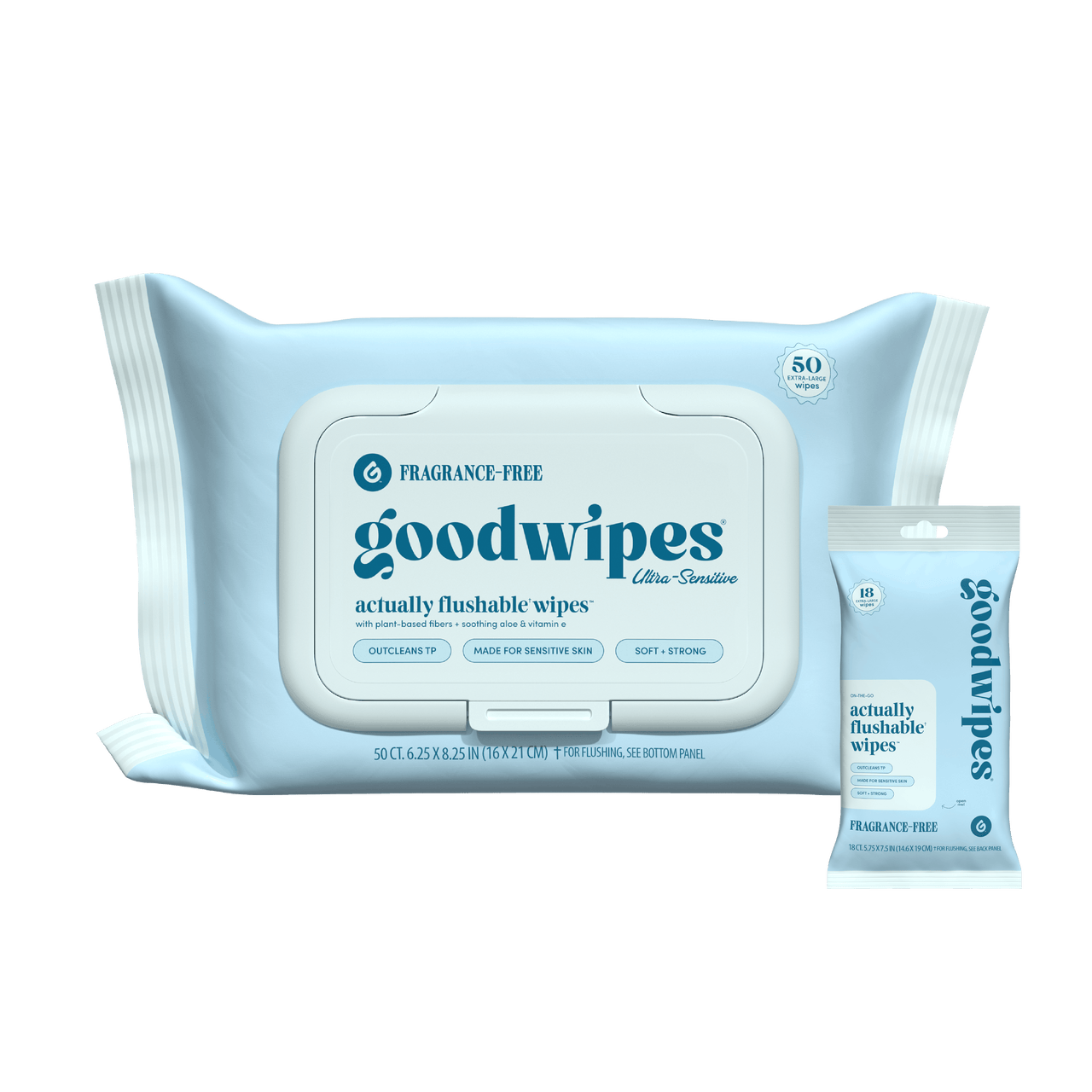
- Fragrance-free body wipes or a small face cloth for a quick freshen-up
- Travel-size antiperspirant or deodorant
- Spare underwear and a clean pair of socks
- A mini hair brush and a hair tie
- A few unscented pads, tampons, or liners (if you use them)
- Tissues and a small water bottle
Having it ready means you can reset in a bathroom stall instead of feeling uncomfortable all day.
10. Holiday-Season Extras That Make a Difference
The holidays bring their own hygiene challenges: travel, late nights, parties, and different routines.
- Use a humidifier at home, especially in your bedroom. Aim for roughly 30 to 50 percent humidity so your skin and nose don’t dry out.
- Drink water, particularly during travel and when drinking alcohol. It won’t replace moisturizer, but staying hydrated helps you feel better overall.
- Moisturize on planes and long drives. Cabin air is very dry.
- Sleep matters. Skin and mood both feel the effects of too little rest.
- Don’t skip your basics even when your schedule gets wild. A two-minute routine (cleanse, moisturize, brush teeth, wash hands) beats nothing.
- Remove makeup before bed. Skin repairs itself overnight and does better without a layer of product on top.
Common Winter Hygiene Mistakes to Avoid
- Taking very hot, very long showers
- Skipping moisturizer because you “don’t feel dry yet”
- Using heavily scented products on sensitive areas
- Douching or washing inside the vagina
- Wearing sweaty or damp clothes for hours
- Wearing the same boots and socks every single day
- Over-exfoliating dry, irritated skin
- Licking or picking at chapped lips
- Ignoring symptoms that don’t go away
Your Simple Winter Hygiene Checklist
Every day:
- Lukewarm shower with gentle cleanser
- Moisturize while skin is damp
- Antiperspirant (nighttime is great), clean underwear and socks
- Lip balm and hand cream, reapplied often
- Sunscreen on exposed skin
Every week:
- Gentle exfoliation once or twice
- Wash hats, scarves, and bedding
- Air out and rotate boots
- Overnight hand or foot treatment
- Wash your hair as your scalp needs, usually a couple of times a week
When to See a Doctor
Most winter dryness and discomfort can be handled at home. But reach out to a doctor, dermatologist, or pharmacist if you notice:
- Skin that is cracked, bleeding, or very painful
- A rash or itching that doesn’t improve
- Signs of infection like redness, swelling, warmth, pus, or fever
- Ongoing intimate dryness, pain, unusual discharge, or odor
- Persistent scalp flaking or hair loss
- Anything that feels “off” or worries you
This post is for general information and isn’t a substitute for personal medical advice.
You’ve Got This
Taking care of yourself in winter doesn’t have to be complicated or expensive. A cooler shower, a good moisturizer, a lip balm in your pocket, breathable layers, and clean, dry socks can completely change how you feel from head to toe.
Be kind to your body. It’s working extra hard to keep you warm, comfortable and moving through the busiest, coziest, most chaotic season of the year. Pick two or three tips from this list to start with, and add more as they become habits.
Here’s to feeling fresh, soft, and confident all winter long.
Which tip are you trying first? Save this post to your winter self-care board so you can come back to it all season.



Leave a Reply