One minute your skin is glowing and your energy feels endless.
The next, you’re staring at a breakout, wondering why the scale won’t budge despite your efforts or snapping at someone over something so small it embarrasses you later. If that feels familiar, you’re not broken your hormones are simply shifting and food plays a bigger role in that shift than most of us are ever taught.
I wish someone told me this sooner because getting rid of dark spots that come as a result of hormonal acne is not a walk in the park
But What Are Hormones and Why You Need a Hormone Balancing Diet
Hormones are chemical messengers that travel throughout the body and stimulate organs into action. They tell organs what to do and when to do it.
Organs, Glands and tissue make and release hormones and all form your endocrine system.
Hormones impact various body processes such as;
- Metabolism
- Growth and Development
- Reproduction
- Sexual functions
- Mood
- Homeostasis
Hormonal imbalances happen when there is either too much or too little of a specific hormone circulating in the body. This causes conditions such as acne, menstrual irregularities, weight gain, mood swings etc
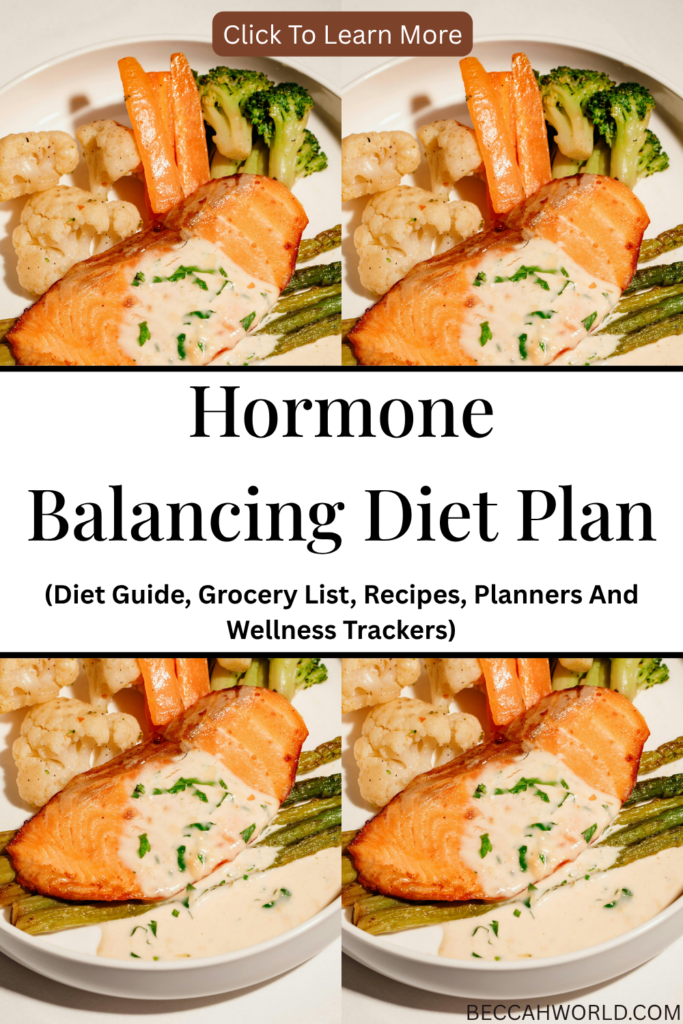
The right hormone balancing foods for women will help regulate your cycle, calm hormonal acne, boost your energy and even lift your mood. And that is our why of creating this amazing foods for hormone balance guide for women. It is packed with A full meal plan, amazing simple recipes, grocery list, planners and wellness trackers to help you start and be consist journey
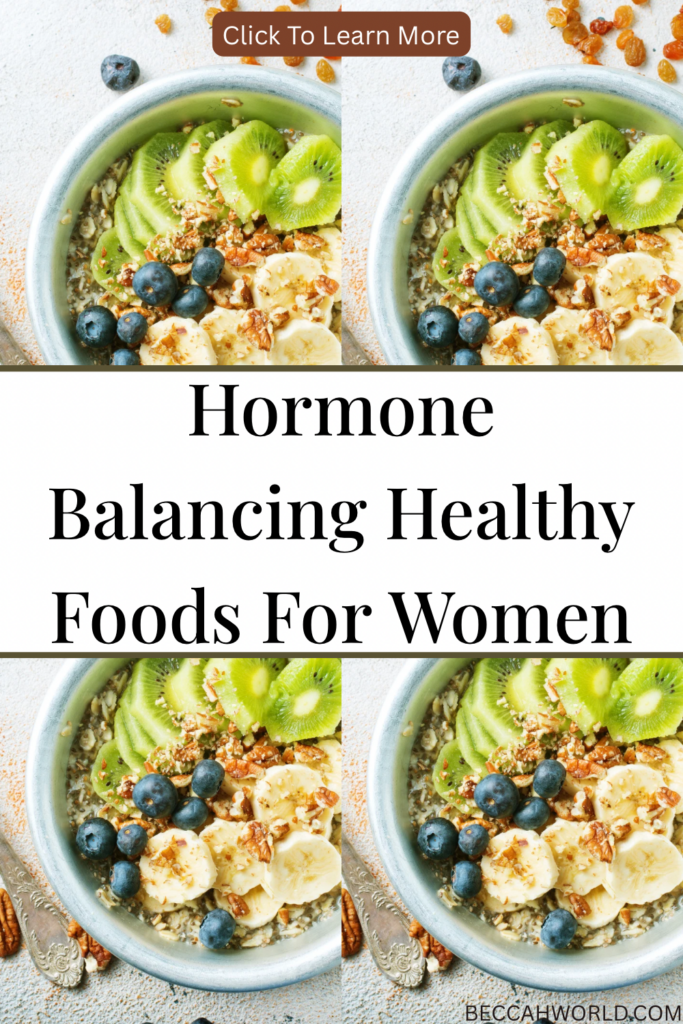
Foods for Hormonal Balance
Enough Protein in your Diet
Proteins are good due to the production of peptide hormones. Peptide hormones regulate growth, insulin, reproduction, stress, blood sugar levels
Proteins also fills you up and keeps you full for longer hence great for maintaining our weight
It is recommended to take 25-30grams of protein per meal.
Proteins include; chicken, eggs, fish
Cruciferous Vegetables
These vegetabes help with liver function. The liver is where waste and already spent hormones are cleared out. They also help the body metabolize estrogen effectively.
They should be eaten daily and include; broccoli, cauliflower, Brussel sprouts, cabbage
Eat Good Fats
Incorporating healthy fats into your diet is a key strategy for balancing hormones. They provide the building blocks for hormone production, support hormone regulation, and contribute to overall hormonal health.
They help maintain a healthy weight, which is important for hormonal balance, as excessive body fat can disrupt hormone levels
Good fats are; olive oil, avocado oil, raw unsalted nuts, nut butter, avocado, fatty fish-salmon and tuna
High fiber diet
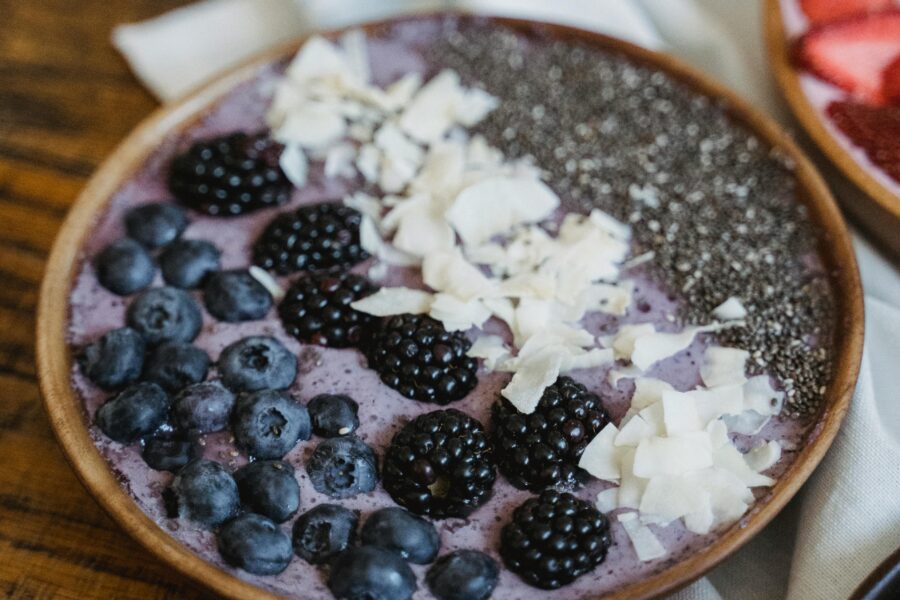
A high-fiber diet can help balance hormones by supporting a healthy gut microbiome which is crucial for hormone regulation. Fiber, particularly from whole grains, legumes, fruits, and vegetables, feeds beneficial gut bacteria, promoting a healthy and diverse gut environment that supports hormone balance.
Soluble fiber can bind to excess estrogen in the digestive tract and promote its excretion helping to prevent estrogen dominance and related issues.
Soluble fibers include; oats, avocados, apples, carrots, citrus fruits
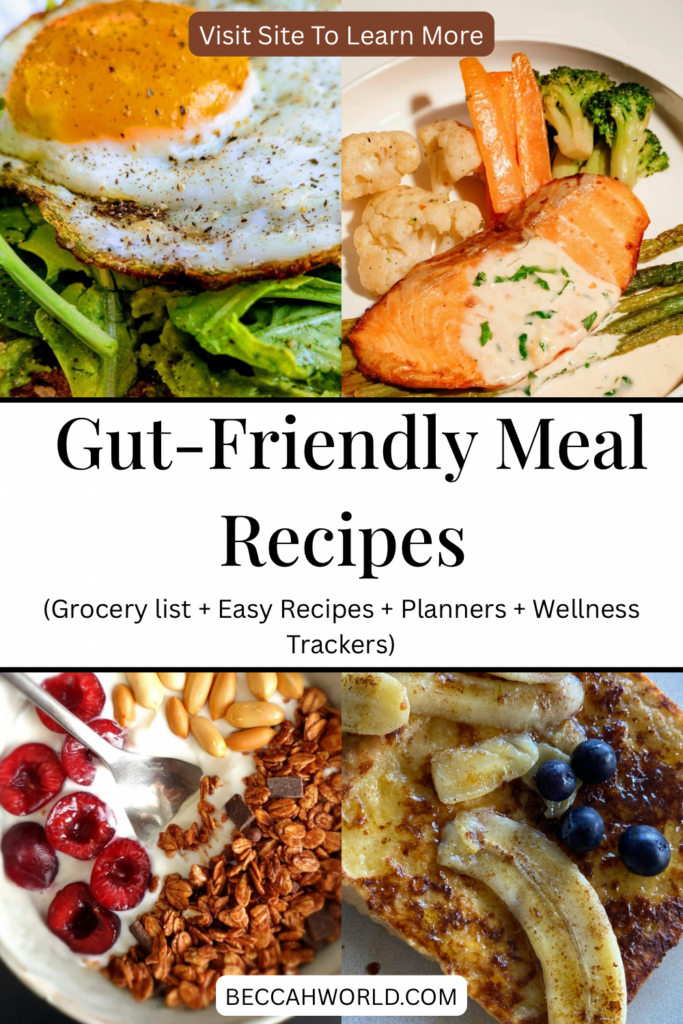
Foods rich in Magnesium
Magnesium helps regulate the HPA axis a pathway that manages stress responses. It can help regulate cortisol thereby reducing anxiety and irritability.
Magnesium also improves our insulin sensitivity meaning that our bodies are better able to use insulin and to regulate our blood sugar levels as well as regulating our nervous system (especially helpful with PMS symptoms and with PCOS)
Magnesium helps in thyroid hormone production and melatonin a hormone that regulates sleep. Quality sleep is essential for clear skin, hair growth and beautiful nails.
Magnesium sources; dark chocolate, dark green leafy vegetables, avocados, legumes, nuts, seeds
Wholegrains Carbohydrate
They contain fibre and vitamin B which is great for hormonal balance and elimination of spent hormones.
E.g. brown rice, quinoa, buckwheat
Seeds
Packed with zinc and selenium, these seeds are crucial for thyroid function and are a key player in hormone regulation.
E.g sunflower, pumpkin, sesame
Healthy Gut Microbiome
Provide probiotics that support a healthy gut microbiome, which plays a vital role in hormone regulation
Our gut bacteria flourishing enables hormone production and balance
Foods; Yogurt, Kefir, Sauerkraut
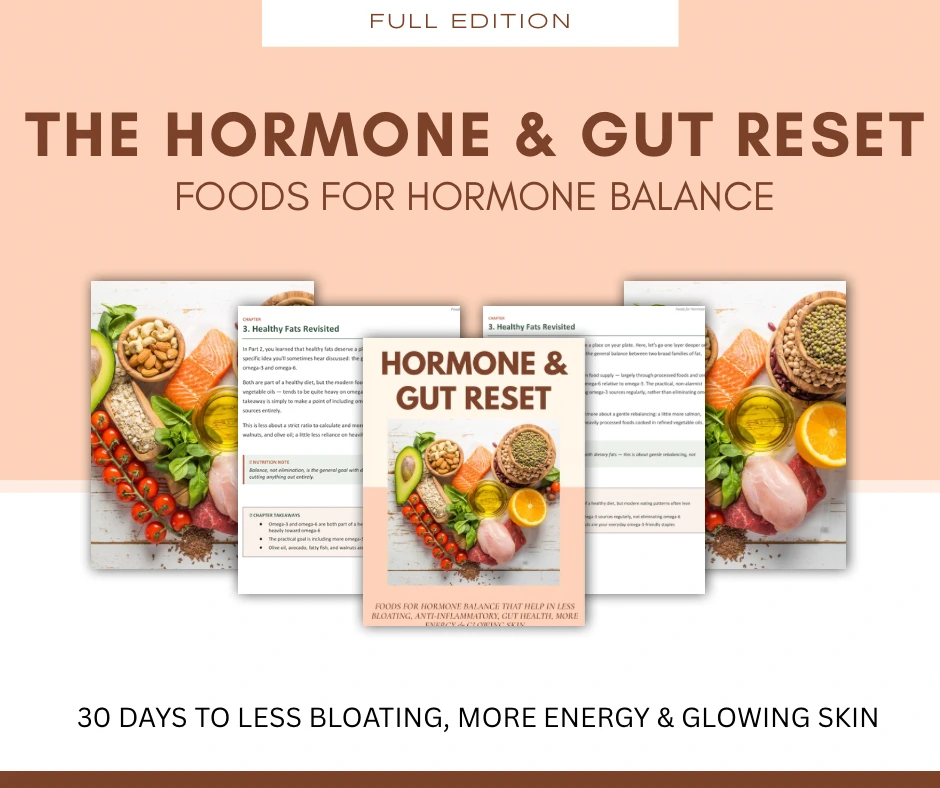
This is the one I’d encourage you to take most seriously. Your gut really influence your hormones. A single food list can only take you so far. If you want the full, done-for-you version of everything covered here a complete 30-day meal plan, the recipes, and gut, Anti-inflammatory and-hormone-supporting grocery lists, all mapped out so you’re never guessing that’s exactly what Foods for Hormone Balance Guidebook was built to be.
Conclusion
Supporting your hormones doesn’t have to be complicated. By consistently adding more foods for hormonal balance into your meals, you’re helping your body feel more stable, energized, and clear from the inside out. A simple hormone balancing diet — built around real foods for balanced hormones — can make a genuine difference over time. Just stay consistent, and trust the process.
If you’d rather not figure out the “staying consistent” part alone, that’s exactly what Foods for Hormone Balance is there for: a full meal plan, simple tasty recipes, grocery lists, planners and wellness trackers already built for you, so consistency stops depending on willpower and starts happening by default.
[ Grab A Proven Foods for Hormone Balance Diet Plan Now]

Leave a Reply