Is hyaluronic acid good for acne?
Yes, hyaluronic acid is good for acne-prone skin because it hydrates the skin, supports the skin barrier, and helps reduce irritation caused by acne treatments.
While hyaluronic acid does not directly treat acne, it plays an important role in managing acne by preventing dehydration, which can lead to excess oil production and more breakouts.
If you have acne-prone skin, every product you use matters. The question “is hyaluronic acid good for acne” is one many people ask before adding it to their routine and the answer can completely change how your skin behaves.
What Is Hyaluronic Acid and Why Does It Matter for Acne?
Hyaluronic acid (HA) is a naturally occurring substance found in the skin that helps retain moisture and keep the skin hydrated.
It can hold up to 1,000 times its weight in water, making it one of the most powerful hydrating ingredients in skincare.
So, is hyaluronic acid good for acne if your skin already produces oil?
Yes- because hydration and oil are not the same thing. Even oily, acne-prone skin can be dehydrated.
Benefits of Hyaluronic Acid for Acne-Prone Skin
1. Hydrates Without Clogging Pores
One major reason hyaluronic acid is good for acne is that it is non-comedogenic, meaning it won’t clog pores.
Proper hydration:
- Reduces excess oil production
- Prevents clogged pores
- Helps balance acne-prone skin
2. Supports the Skin Barrier
A damaged skin barrier can worsen acne.
Hyaluronic acid helps:
- Strengthen the skin barrier
- Reduce irritation
- Improve overall skin health
This is especially helpful if you’re using harsh acne treatments.
3. Reduces Post-Acne Marks
If you’re wondering is hyaluronic acid good for acne scars, the answer is yes—indirectly.
It helps:
- Speed up skin healing
- Improve skin texture
- Reduce the appearance of dark marks (PIH)
4. Helps Acne Treatments Work Better
Many acne treatments (like benzoyl peroxide or retinoids) can dry out your skin.
Hyaluronic acid:
- Prevents excessive dryness
- Keeps skin hydrated
- Makes treatments more tolerable
So is hyaluronic acid good for Acne?
Yes, hyaluronic acid is good for acne- but as a supportive ingredient, not a treatment.
It works best when combined with acne-fighting ingredients because it:
- Keeps skin hydrated
- Prevents overproduction of oil
- Reduces irritation and inflammation
Best Types of Hyaluronic Acid Products for Acne
Hyaluronic acid comes in different forms:
- Serums (best for lightweight hydration)
- Creams and lotions (for extra moisture)
- Injectables (cosmetic procedures)
- Oral supplements (consult a doctor first)
How to Use Hyaluronic Acid for Acne
To get the best benefits from hyaluronic acid;
- Apply on damp skin since it draws moisture from its environment.
- Seal it with a moisturizer
- Using too many products with hyaluronic acid can lead to dryness instead of hydration.
Precautions when using Hyaluronic Acid
While hyaluronic acid is generally safe and well-tolerated by most skin types, there are a few precautions you should take to ensure you get the best results:
Perform a Patch Test
Although hyaluronic acid is unlikely to cause irritation, it’s always wise to do a patch test before adding a new product to your routine. Apply a small amount of the product to a discreet area of your skin, such as behind your ear or on your wrist, and wait 24 hours to see if any reaction occurs.
2. Consider the Environment
Hyaluronic acid draws moisture from the surrounding environment. In low-humidity conditions, it can potentially pull moisture from the deeper layers of your skin, leading to dryness. To prevent this, always apply hyaluronic acid to damp skin and follow with a good moisturizer to seal in the hydration.
3. Avoid Over-Exfoliation
If you’re using other active ingredients such as retinoids or exfoliating acids, be mindful not to over-exfoliate your skin. Over-exfoliation can compromise your skin barrier, leading to irritation and dryness. Hyaluronic acid can help to soothe and hydrate, but it’s essential to maintain a balanced skincare routine that doesn’t overtax your skin.
4. Check the Ingredient List
Not all hyaluronic acid products are created equal. Some may contain potentially irritating ingredients, such as alcohol or fragrance, which can exacerbate acne. Always check the ingredient list before purchasing a product, and opt for those specifically formulated for sensitive or acne-prone skin.
Best Hyaluronic Acid Serum
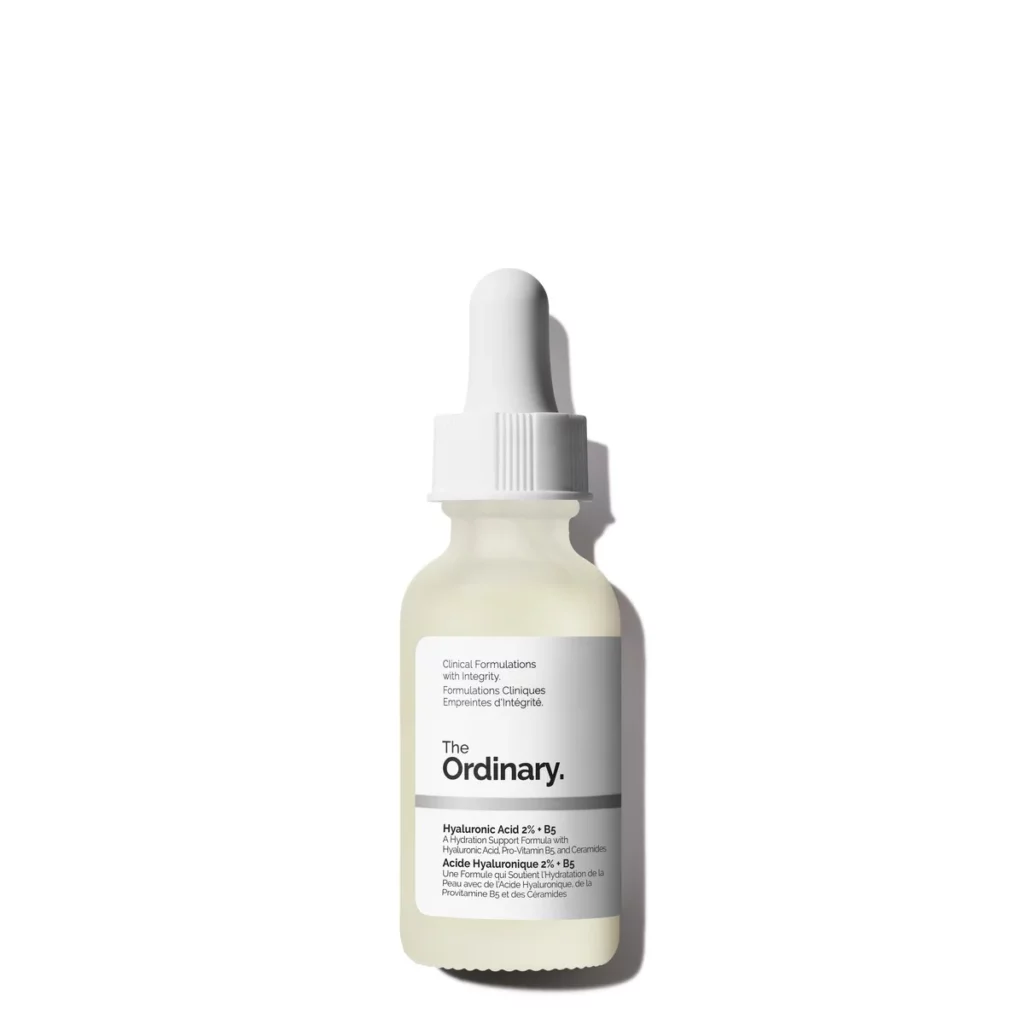
The Ordinary Hyaluronic Acid+ B5
A water based lightweight formula that absorbs quickly into the skin and offers hydration to multiple layers of the skin. It targets wrinkles and skin texture issues and also affordable
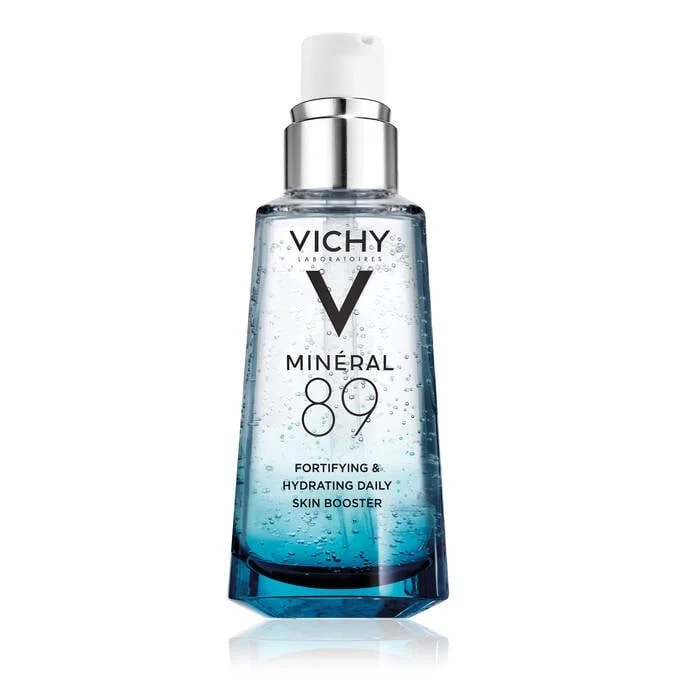
Vichy Mineral 89 Hyaluronic Acid Serum
Another fave in the skincare world that help to repair skin barrier and plump the skin. Great for dry skin
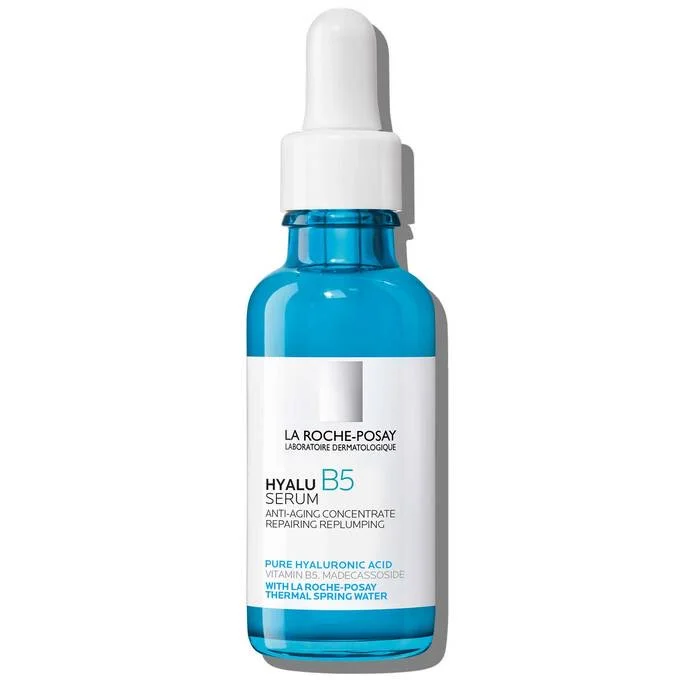
La Roche Posay Hyalu B5 Hyaluronic Acid Serum
It is suitable for sensitive skin and helps repair skin barrier and plump the skin.
Conclusion
Hyaluronic has grown in popularity in the recent years and it’s good to do some research before purchasing every product that has hyaluronic acid as an ingredient as an acne prone individual.
Hyaluronic acid doesn’t help heal acne directly but it sure has some really nice benefits on acne prone skin. It will help in hydration when used correctly and other great benefits.
When incorporating hyaluronic acid in your routine limit the amount of products that contain hyaluronic acid in your skincare products. It’s best to use only one serum with the ingredient instead of having every skincare product in your routine with hyaluronic acid as this will cause dryness in the long run.


Leave a Reply